Many homeowners notice unusual patterns in their heating and cooling equipment that seem difficult to explain at first glance. These occurrences often stem from mechanical or electrical faults that develop over time and benefit from timely intervention by qualified technicians.
When such indicators emerge, reaching out to specialists such as Arctic Enterprises gets you an accurate assessment before minor concerns turn into bigger headaches.
Unexpected Temperature Variations
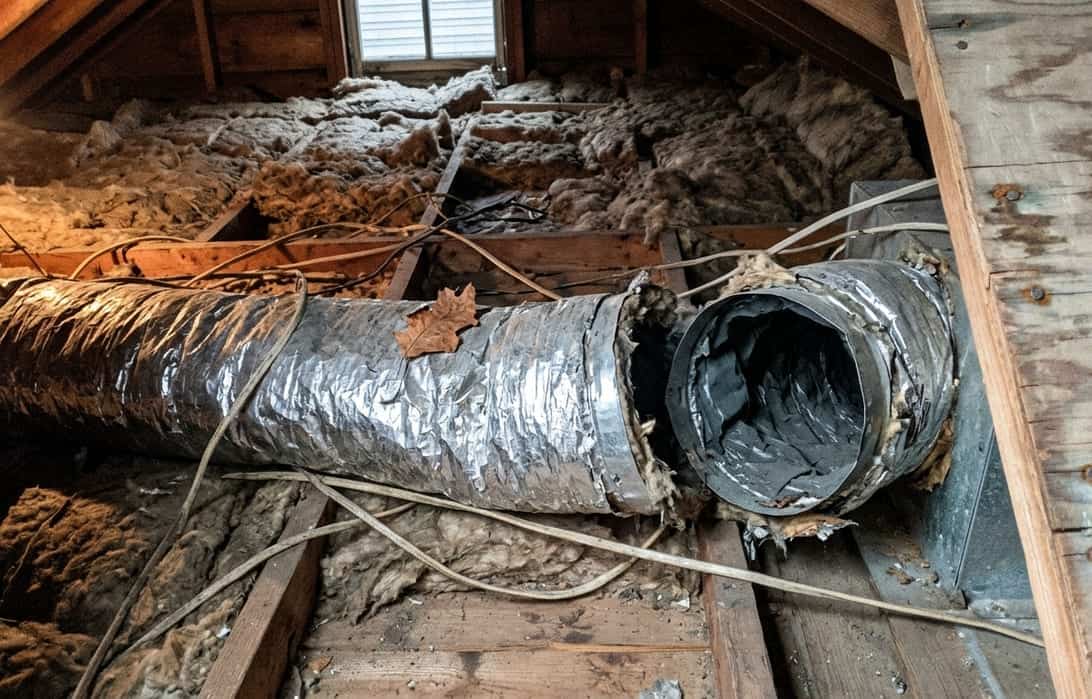
Rooms may alternate between excessive warmth and persistent chill even when the thermostat setting remains unchanged. This pattern frequently results from restricted airflow caused by clogged filters or collapsed duct sections.
Common contributing factors include
- Blocked return vents that limit air circulation
- Leaking duct joints that allow conditioned air to escape
- Faulty zone dampers that fail to open or close properly
Addressing these elements restores balanced distribution and eliminates the sensation of isolated cold or hot pockets.
Odd Noises Coming from the Unit
Rattling, whistling, or intermittent thumping noises can appear without warning and recur at specific times of day. Such auditory signals usually trace back to loose components, imbalanced blower wheels, or debris lodged inside the air handler. Professional inspection identifies the precise source and prevents further wear on moving parts. Regular maintenance reduces the likelihood of these disturbances developing in the first place.
Unexplained Odors Circulating Indoors
Musty or acrid smells that intensify when the equipment activates point to microbial growth on coils or deteriorating insulation. Burning odors may indicate electrical resistance or friction within motors.
Technicians employ diagnostic tools to locate the origin without unnecessary disassembly. Prompt attention protects indoor air quality and avoids secondary damage to surrounding materials.
Persistent Condensation or Moisture Issues
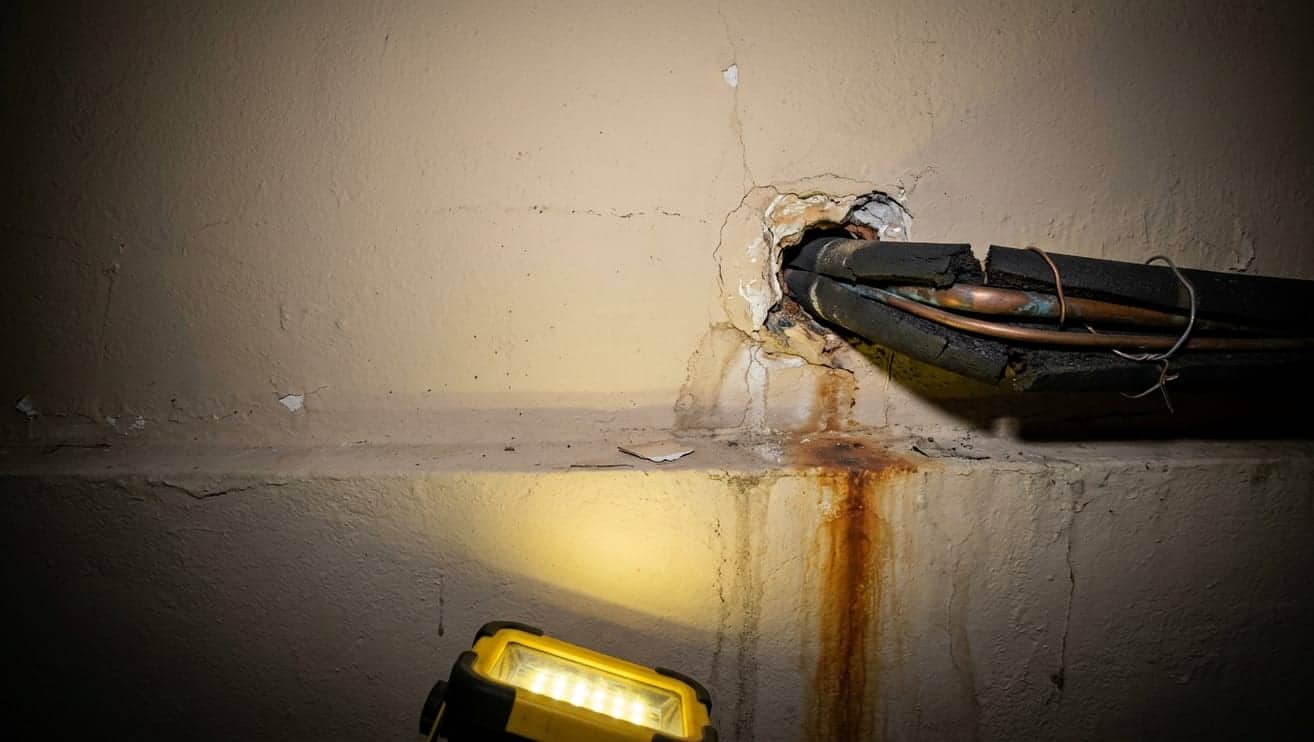
Water accumulation near the indoor unit or excessive humidity inside living spaces suggests drainage problems or improper refrigerant charge. These conditions promote mold formation and reduce overall comfort. Clearing drain lines and verifying sensor calibration eliminates the excess moisture.
Scheduled evaluations catch these issues during early stages when corrective measures remain straightforward. Consistent filter replacement every one to three months maintains unrestricted airflow. Annual professional tune-ups include lubrication of bearings, tightening of electrical connections, and verification of safety controls.
Homeowners who follow these steps experience fewer interruptions and extend the service life of major components. Documentation of all service visits supports warranty claims when applicable.
Recognizing the Need for Replacement
Systems that require frequent repairs or exceed fifteen years of operation merit evaluation for full replacement. Newer models incorporate improved energy ratings and quieter operation.
A detailed load calculation determines the correct capacity for the structure, avoiding oversizing that leads to short cycling. Proper installation ensures optimal performance from the outset.
Thorough documentation of observed patterns assists technicians during initial consultations. This collaborative approach yields targeted solutions that address root causes rather than symptoms alone.
One specific check on the condensate pan can reveal problems before they spread further.